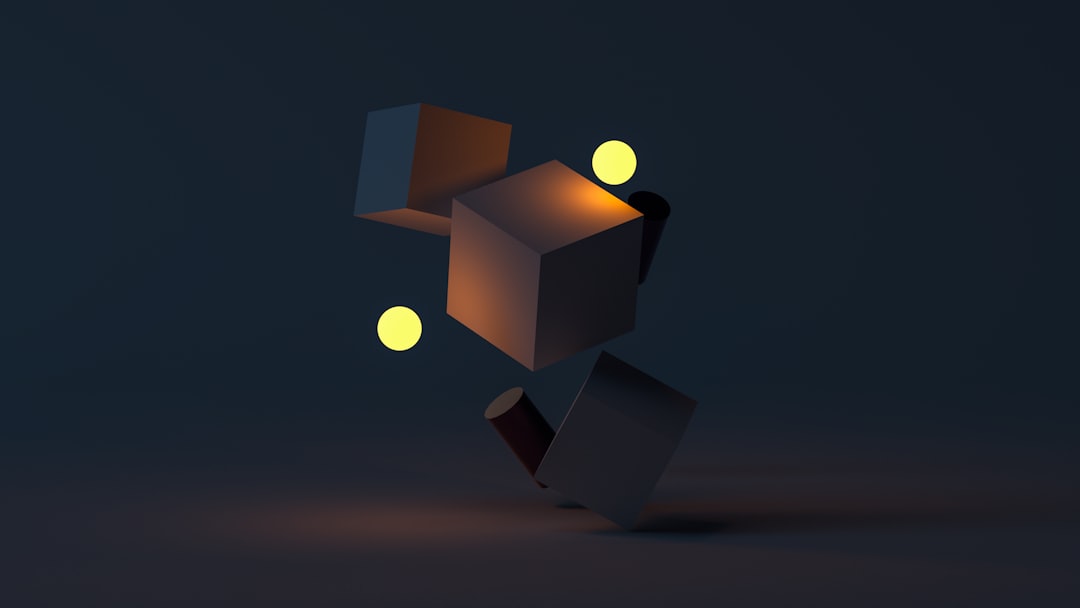
Art has long been a vessel for emotional expression, allowing creators to channel their inner worlds into striking visuals that resonate with audiences. Among these varied themes, melancholy and despair take center stage in shaping powerful, thought-provoking works. This definitive guide explores how artists harness dark themes to create meaningful art that invites reflection, cultural critique, and emotional impact.
Understanding the delicate balance between darkness and creativity is critical for collectors, enthusiasts, and casual admirers alike. Alongside practical advice on recognizing and choosing impactful dark-themed art prints and posters, we also delve into their societal significance and exhibition trends shaping their popularity.
The Psychological Appeal of Melancholy in Art
The Emotional Spectrum and Viewer Connection
Melancholy taps into complex emotional states—sadness, nostalgia, introspection—that provoke a deep response. It holds a mirror to human vulnerability, offering viewers a bridge to their own emotional depths and often unspoken feelings. This raw emotional connection explains why works featuring somber, contemplative visuals often linger in memory long after viewing.
Art as Catharsis and Emotional Release
Artists frequently leverage notions of personal loss and universal themes to create cathartic experiences through their work. Melancholy-driven art provides both creator and audience with a therapeutic outlet—transforming suffering into shared beauty and understanding.
Melancholy Bridging Personal and Collective Narratives
Whether rooted in individual sorrow or reflecting wider societal issues, melancholy in art can express cultural zeitgeists or personal histories. The interplay enriches the community-building function of art, as it captures collective conscience and initiates dialogue around difficult subjects.
Exploring Iconic Art Themes of Darkness and Despair
Historical Perspectives on Dark Art Themes
Themes of shadow and despair in art are not new. From the Baroque period's dramatic chiaroscuro to Romanticism’s emphasis on sublime suffering, artists have long grappled with darkness to highlight the human condition. Understanding these art historical contexts deepens appreciation for how modern artists innovate on classic melancholy tropes.
Symbolism and Motifs in Melancholy Art
Common symbols such as wilting flowers, barren landscapes, or solitary figures evoke themes of loss and isolation. Modern reinterpretations might incorporate urban decay or distorted forms to signal contemporary anxieties. Interpreting these motifs enhances the emotional impact and critical cultural dialogue embedded in the artworks.
Contemporary Approaches and Experimentation
Today’s creators often push boundaries by blending dark themes with multimedia or digital art. Digital age creativity enables complex layering of melancholy through sound, motion, and interactivity, intensifying emotional expression while expanding audiences.
The Role of Cultural Critique in Dark Themed Artworks
Art as a Mirror to Societal Fears
Dark themes often serve to critique social malaise—environmental degradation, political despair, mental health crises—and expose uncomfortable truths. By confronting viewers with stark realities through somber imagery, artists compel engagement with pressing issues, turning art into social commentary.
Provoking Dialogue and Awareness Through Exhibitions
Modern art exhibitions increasingly curate collections that center on themes of depression, existential angst, and marginalization, creating spaces for public reflection. Institutions honoring such displays acknowledge the power of melancholy art to catalyze empathy and conversation, as highlighted by impactful recent shows.
Supporting Independent Artists Tackling Serious Themes
Platforms that spotlight independent voices in art are crucial for amplifying nuanced, melancholy narratives. Supporting these artists means endorsing authentic emotional expression and broadening cultural horizons beyond commercial optimism.
Techniques Artists Use to Evoke Melancholy and Emotional Impact
Color Palette and Lighting Choices
Colors play a pivotal role in evoking mood: muted tones, blues, blacks, and grays dominate melancholy art to elicit feelings of solitude or despair. Subtle lighting contrasts—sharp shadows or soft glows—can dramatize emotional tension, guiding viewer focus and emotional trajectory.
Composition and Subject Matter
Sparse compositions with isolated subjects or empty spaces generate a sense of loneliness or abandonment. Framing and perspective also influence emotional resonance; a downward gaze or obscured faces invite introspection and mystery, making the emotional expression more immersive.
Textural Elements and Materials
Artists might use rough textures or decayed materials to symbolize deterioration or impermanence. Mixed media, including layered paper, fabric, or found objects, add tactile depth that echoes the layered nature of melancholy feelings, offering rich sensory engagement.
Curating and Collecting Dark-Themed Art Prints and Posters
Choosing Art That Resonates Personally and Aesthetically
Collectors should seek works that speak authentically to their emotional landscape or decor style. Understanding the artist’s intent and background enriches the collector’s connection, as explored in building community through art. High-quality prints ensure the integrity of color and texture remains impactful.
Materials, Sizes, and Customization Options
Selecting the right print material—whether matte, glossy, or canvas—affects how the melancholy theme translates visually. Customization in sizing or framing can tailor the piece to specific spaces with careful thought to lighting and wall color, enhancing the emotional expression.
Ensuring Ethical Provenance and Supporting Independent Artists
Verifying artist provenance and copyright safeguards trustworthiness. Purchasing via platforms committed to fair artist compensation empowers creators exploring dark themes with creative freedom. Learn more about museum ethics and artist support for deeper insights.
The Impact of Technology on Displaying and Experiencing Melancholy Art
High-Resolution Prints and Color Accuracy
Advancements in printing technology allow nuanced color gradients and shadow details that preserve the intended emotional impact of dark-themed art. This technical precision ensures that mood and tone translate faithfully from artist to owner.
Digital Exhibitions and Virtual Reality Experiences
Digital galleries and VR platforms provide immersive environments where melancholy art can be experienced in novel ways. Such technologies expand accessibility and evoke stronger emotional responses by surrounding the viewer in thematic atmospheres.
Integration of Interactive and Multimedia Elements
Artists increasingly integrate soundscapes or interactive features that amplify melancholic atmospheres, enriching creativity and engagement. For example, digital age creativity using technology brings new depth to emotional expression.
Dark Themes in Art Exhibitions: Trends and Case Studies
Recent Exhibitions Highlighting Melancholy and Despair
Exhibitions worldwide have spotlighted themes of darkness—whether to address mental health, social upheaval, or historical trauma—demonstrating their contemporary relevance. These shows often pair traditional and digital artworks to draw diverse audiences.
Audience Reception and Emotional Impact Analysis
Visitor feedback and academic studies reveal that dark-themed exhibitions evoke a spectrum of emotions from discomfort to catharsis, underscoring art’s power to provoke meaningful internal reflection. Such data informs exhibition curation and marketing strategies.
Artist Spotlights: Navigating the Edge of Melancholy
Profiles of artists pioneering in this space reveal personal motivations and creative processes. Their stories amplify the understanding of how melancholy serves as both burden and muse, shaping public appreciation of their work.
Practical Advice for Displaying Dark-Themed Art in Your Space
Lighting Strategies to Enhance Mood
How you light a piece can either soften or sharpen its impact. Using directional or dimmable lighting can highlight shadow play and evoke intimacy, tailoring emotional ambiance to your environment.
Fit with Interior Design Styles
Dark-themed art complements minimalist, industrial, and eclectic interiors. Contrasting dark artwork with light walls can create striking focal points, while layered textures harmonize with melancholic motifs, enhancing the space's expressive quality.
Balancing Emotional Atmosphere with Daily Living
While evocative, melancholy art should feel inviting rather than oppressive. Rotating pieces or mixing with uplifting works maintains a balanced emotional environment, mindful of the well-being of household members or visitors.
Summary and Final Thoughts: Embracing Melancholy as Creative Force
Dark themes in art open pathways to profound emotional and cultural critique, challenging viewers and artists alike to explore the depths of human experience. Whether through historic styles or modern digital innovations, melancholy persists as a vital and transformative creative current.
This guide has navigated the emotional, technical, and practical aspects of melancholy in art, aimed at empowering you to appreciate, collect, and display such impactful works with confidence. Supporting independent artists amplifies these voices, enriching the cultural landscape.
Pro Tip: When selecting dark-themed art, consider your emotional response over aesthetic trends—authentic connection ensures the art’s lasting impact.
Frequently Asked Questions (FAQ)
1. Why do artists choose melancholy as a theme?
Melancholy allows artists to explore complex emotional states, express vulnerability, and engage audiences in introspection—turning personal or social pain into meaningful art.
2. How can I display dark-themed art without creating a gloomy environment?
Balance dark art with proper lighting and complementary decor. Combine with brighter elements or rotate artworks to maintain a welcoming atmosphere while honoring emotional depth.
3. What materials best showcase melancholy in art prints?
Matte or textured papers and canvas emphasize subtle tonal shifts and textures, enhancing the emotional resonance of melancholy themes compared to glossy finishes.
4. Are there notable exhibitions currently featuring melancholy art?
Yes, many contemporary galleries focus on dark themes as cultural critique and emotional exploration. See our discussion of recent exhibitions spotlighting despair and societal issues.
5. How do I support independent artists who create melancholy art?
Purchase directly through reputable platforms committed to fair compensation, and share awareness of their work to broaden exposure for these authentic creators.
| Aspect | Traditional Melancholy Art | Contemporary Dark-Themed Art | Digital Art Innovations |
|---|---|---|---|
| Medium | Oil on canvas, charcoal, watercolor | Mixed media, photography, installations | VR, AR, interactive multimedia |
| Color Palette | Muted earth tones, chiaroscuro contrasts | Monochromatic, desaturated colors with sharp accents | Dynamic color manipulation and lighting effects |
| Themes | Loss, solitude, mortality | Social critique, mental health, urban decay | Personal narrative merged with technology-induced alienation |
| Emotional Impact | Cathartic, intimate reflection | Provocative, community dialogue | Immersive, multisensory experience |
| Display | Physical galleries, museums | Alternative art spaces, community exhibits | Virtual galleries, online platforms |
Related Reading
- Behind the Scenes: Evacuation Stories and the Impact on Museum Art Collections - Insights into protecting and preserving sensitive art during crises.
- Building Community Through Art: Lessons from Successful Publishers - How art fosters connection and supports creators.
- Digital Age Creativity: Using Technology to Enhance the Arts - Exploring technology's role in expanding artistic expression.
- From Personal Loss to Universal Themes: Translating Emotional Experience in Music - Parallels of emotional expression across art forms.
- Sex, Money, and Murder: Inside the Buzz of Gregg Araki's Latest - Study of contemporary cultural critique through dark narratives.