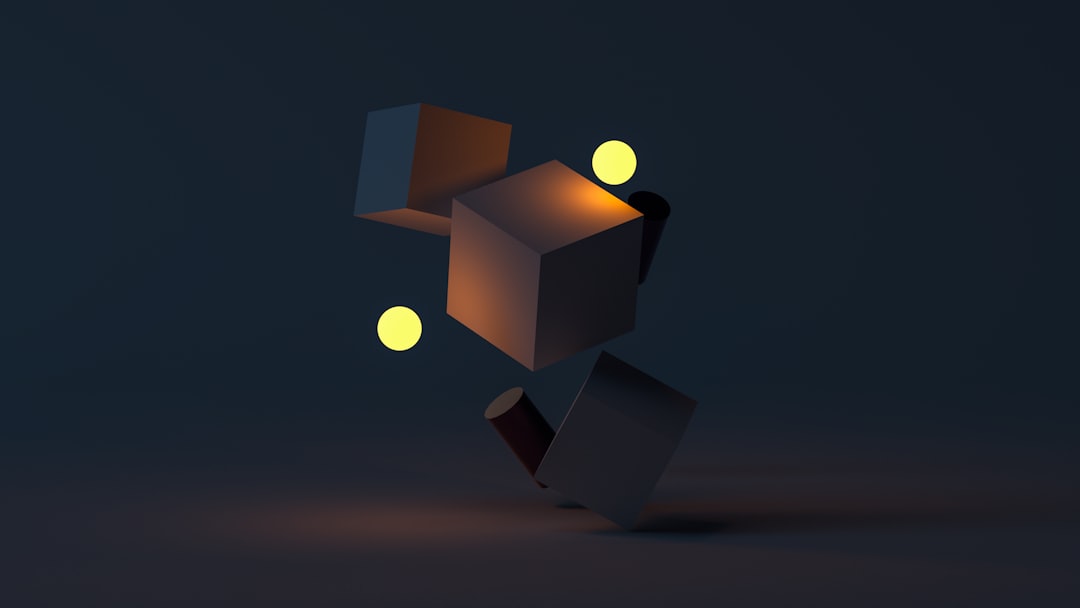
Art has continually evolved; each genre and phase creates a profound impact on how aesthetics are interpreted and appreciated. In recent decades, a fascinating trend has emerged that intertwines art and animation, generating a distinctive genre known as animation art. Today, artists are drawing from various animation styles to infuse their prints with a sense of movement, depth, and dynamism, transforming static visuals into engaging masterpieces.
Understanding Animation Art
Animation art refers to pieces that either derive from animated films or are inspired by animation styles, embracing techniques associated with motion. The application of animation principles in traditional art can evoke emotion and narrative beyond what static art typically achieves. Yet, defining animation art is not limited to one dimension; it's a fusion of illustration, storytelling, and emotional expression.
The Core Characteristics of Animation-influenced Art Prints
1. **Dynamic Composition**: Artists creatively arrange their subjects, employing techniques such as exaggerated perspectives and vibrant colors to evoke a sense of action and animation.
2. **Movement Through Repetition**: Utilizing patterns and motifs that suggest motion, creating narratives through a series of frames, similar to how animations function.
3. **Illusion of Time and Space**: Artists manipulate the viewer's perception of time by creating works that feel like they are in motion rather than static, inviting observers to engage more deeply with their stories.
Pro Tip: To grasp how movement can be embedded into still visuals, explore dynamic pieces by artists such as Hayao Miyazaki and Takashi Murakami.
The Influence of Animation Styles on Contemporary Art
Contemporary artists are borrowing extensively from various global animation traditions, such as Japanese anime, Disney’s classical animation, and even emerging digital animation styles. This blending of styles not only enriches their works aesthetically but also broadens the narrative scope of contemporary print art.
1. The Impact of Anime
Anime’s vibrant colors, expressive characters, and an often surreal portrayal of motion play a significant role in shaping contemporary art prints. Artists may utilize these techniques to infuse emotional weight into their work, as observed in pieces that emphasize character-driven narratives. Many illustrators now create prints that resemble frame captures from popular anime series, engaging collectors who resonate with such storytelling forms.
2. The Legacy of Disney
Disney’s animation legacy not only influenced films but also visual storytelling in prints. The use of whimsical imagery, attention to character detail, and enchanting backgrounds can be seen in countless art prints. Artists drawing from this style often prioritize fantasy elements, sparking a sense of nostalgia and magic that appeals to broad audiences, making them popular choices for children’s rooms or family-centered spaces.
3. Digital Movements and 3D Animation
The rise of digital art has transformed how movement is portrayed in art prints. Artists now utilize 3D modeling and digital painting to create works that appear to shift based on the viewer’s perspective.
Integrating Movement into Artistic Techniques
Many contemporary artists employ various techniques to incorporate motion into their static pieces. Here we explore commonly used methods:
1. Layering Techniques
By layering different elements of a composition, artists can simulate depth and motion. This multi-dimensional approach is prevalent in prints that aim to capture rapid sequences or fluctuating emotions.
2. Kinetic Typography
Typography that appears to move or dance across the print gives the impression of ongoing narratives, particularly in conceptual art. Added text can create atmosphere and emotion, enhancing the overall storytelling.
3. Optical Illusions
Some artists incorporate optical illusions into their work, inviting viewers to engage with the print more critically. Works that change their appearance based on viewing angles can evoke the sensation of movement.
Showcasing Movement in Product Collections
Many curated galleries now celebrate the intersection of animation and traditional art, producing collections that enthusiastically highlight dynamic visuals. These curated experiences can offer collectors both inspiration and a sense of community. For instance, gallery exhibitions may include interactive displays allowing visitors to engage with animated art pieces directly.
1. Online Platforms & Art Galleries
Online art foundations like The Prints Shop often showcase collections that emphasize the influence of animation on contemporary artwork. By facilitating easy online shopping, these platforms cater to a diverse audience eager to explore dynamic visuals.
2. Artist Collaborations
Collaborative projects between traditional artists and animators allow for new creative pathways, giving birth to prints that are both narrative-rich and visually engaging. These works often tell stories and evoke strong emotional responses—qualities that most collectors prioritize.
3. Limited-Edition Releases
Collectors often gravitate to limited editions that showcase unique artistic methods. By releasing works that employ animation techniques, artists can turn one-off pieces into highly sought-after collectibles.
How to Choose the Right Animation Art Print for Your Space
Selecting the perfect print is often about understanding both the thematic elements you’re drawn to as well as the emotional responses you wish to elicit in your space. Here are key considerations:
1. Theme and Emotion
Identify the emotions or ambiance you wish to create. Do you want to spark joy with colorful prints or evoke intrigue with darker themes? An animated print's narrative should resonate with you personally, making it a significant part of your environment.
2. Medium and Material
Art prints come in various materials—from canvas to high-quality paper and even metal. For instance, canvas prints can add texture and depth, contributing to an overall 3D effect that complements the sense of movement in animation arts.
3. Framing and Display Options
Framing can significantly impact the perceived value of an art print. Choosing frames that enhance your selected art—without overpowering it—will maintain the focus on the artwork's dynamic qualities.
Challenges and Considerations
While the integration of animation styles into art prints offers unique opportunities for exploration, certain challenges emerge for artists and collectors alike:
1. Copyright and Artist Provenance
As with any art form, concerns regarding authenticity and ownership arise when work closely resembles recognizable animation styles. Ensuring that you support artists who legitimately create or license their designs is essential for maintaining art integrity.
2. Quality and Material Selection
When buying animation-inspired art prints, it’s crucial to consider how materials influence color accuracy and durability. Look for prints produced on top-tier substrates, ensuring color fidelity and longevity in your chosen art.
3. Retail Options and Customizations
Where to buy such prints can sometimes be overwhelming, given the broad market range. Utilize platforms that prioritize customization, allowing you to request alterations that align the artwork with your personal style and space.
The Future of Animation in Art Prints
The future of animation art prints promises continual evolution, driven by emerging technologies like augmented reality (AR) and virtual reality (VR). Artists are harnessing these technologies to create immersive experiences that blur the lines between art and animation.
1. AR and Interactive Prints
Augmented reality allows viewers to engage with artwork in unprecedented ways, turning static prints into interactive experiences where movement unfolds before their eyes.
2. Art and NFT Synergy
The rise of NFTs has introduced another layer to animation art, enabling artists to create dynamic, animated pieces as digital art. This innovation opens pathways for collectors and investors to engage with pieces that are not only visually appealing but also part of a broader digital ecosystem.
3. Cross-Media Collaborations
The collaboration between artists, animators, and other media creators will likely produce unique hybrid art formats. By bridging different art forms, the dialogue surrounding what constitutes art will continually evolve.
Conclusion
The interplay between animation and art prints presents a rich, rewarding space for both artists and collectors. The emergence of dynamic visuals, driven by contemporary artistic trends, encourages us to rethink and redefine our appreciation for art. As collectors venture into this mesmerizing realm, they not only enhance their spaces but also support independent artists exploring these original forms. Discover the myriad of options available at art marketplaces like The Prints Shop, where you can find curated collections that embody the magical union of animation and art.
FAQs
1. What is animation art?
Animation art refers to illustrations and prints inspired by motion pictures, utilizing animation styles to create a sense of movement in static artwork.
2. How can I recognize a quality print?
Evaluate prints for quality materials, accurate color representation, and reputable artists to ensure durability and aesthetic integrity.
3. What themes are popular in animation art prints?
Common themes involve whimsical imagery, character-driven narratives, and fantasy elements, often influenced by animation features.
4. Are there artist collaborations to explore?
Many contemporary galleries and online platforms showcase collaborative projects, leading to unique prints that combine different artistic styles and disciplines.
5. How does augmented reality relate to animation art?
AR technology empowers animation art by offering interactive experiences that can transform static prints into dynamic, engaging visual encounters.
Related Reading
- The Ultimate Guide to Art Prints - An exhaustive exploration of art prints, from material choices to framing options.
- Illustration in Contemporary Art - How contemporary artists employ illustrations to narrate visual stories.
- Framing Options for Art Prints - A detailed guide on how to enhance your artwork with the perfect frame.
- Artists Spotlight - Discover inspiring artists whose works influence contemporary art trends.
- Understanding Art Authenticity - Everything you need to know about verifying art and supporting artists.